
Economic Forecasts: Do the Builders Really Care?
Recently, I have been noticing a growing trend among real estate companies that work with home builders. More and more brokerages are producing economic outlook reports that forecast where the market might go over the next year or even the next five years.
These reports are thoughtful and often full of useful data. They help provide context about interest rates, population trends, housing supply, and economic conditions. There’s no question that these are useful and intelligent reports. But when I look at these reports through the lens of the builders I teach, I sometimes wonder whether they are answering the questions builders are actually asking.
I am not particularly interested in debating whether the forecasts themselves are right or wrong. Forecasting the housing market is notoriously difficult, and even the best economists occasionally miss the mark. What interests me more is the type of information builders seem to value most.
After spending several years teaching classes for home builders, I have had the opportunity to hear the kinds of questions they ask day after day. Those questions rarely sound like five-year economic forecasts. Instead, they tend to be much more practical and much more immediate.
Builders want to know whether labour costs are going up. They want to know whether commodity prices are likely to rise or fall. They want to know how long building permits are taking in a particular municipality, whether zoning changes are being proposed, and what new restrictions might affect land use.
More than anything, builders are trying to answer a very straightforward question. What will it cost me to build here?
That question contains several layers. Builders need to understand the price of land in a neighbourhood, the regulatory environment they will be building in, and the costs associated with construction. They want to know about lot coverage rules, floor space ratios, unit density allowances, and development incentives offered by different municipalities.
They also care about factors that rarely appear in market outlook reports. Soil conditions can dramatically affect the cost of construction. Servicing requirements can change project feasibility. Some cities are easier to work with than others, and upcoming policy shifts can change what is possible to build on a particular site.
In other words, the information builders value most is not always macroeconomic. Much of it is operational.
Builders Build Relationships Early
Another dynamic that is often overlooked is how builders form their business relationships. Many builders begin working with a real estate professional early in their careers, and over time they tend to grow alongside those partners. As their projects become larger and more complex, the questions they ask evolve as well. This means the role of the real estate professional often evolves alongside them.
In the early days, the work may revolve around helping them find land and sell homes. As the builder grows, however, the relationship often becomes much more comprehensive. Builders begin looking for help understanding municipal processes, navigating zoning changes, identifying favourable jurisdictions, and building networks of subcontractors.
They may need introductions to contractors, engineers, and consultants. They may need spaces to host business meetings or discussions about potential projects. The job begins to expand beyond marketing and sales into something closer to supporting the builder’s business as a whole.
The Advisory Role of a Builder Representative
One builder shared a story with me that illustrates this dynamic clearly. He had arranged a meeting with a real estate agent to talk about his business and the kinds of projects he hoped to pursue. Throughout the conversation, however, the agent kept returning to the same topic. The agent wanted to talk about sales.
Sales were important, but they were not the conversation the builder had hoped to have. What the builder really wanted to discuss were the operational challenges he faced, including land acquisition, development potential, and construction feasibility. That conversation never really happened.
And that moment highlights something important about the evolving role of a builder representative. For many builders, sales are not the first step in the process. In fact, they are often the final step in a very long pipeline.
Before a home ever reaches the market, a builder has already spent years navigating land purchases, regulatory approvals, financing arrangements, construction challenges, and design decisions. By the time a project reaches the sales stage, most of the critical decisions have already been made.
This means the professionals who work closely with builders may need to think about their role differently. Instead of focusing primarily on marketing and sales, they may need to function as advisors who help builders navigate the many decisions that occur long before a home ever reaches the market.
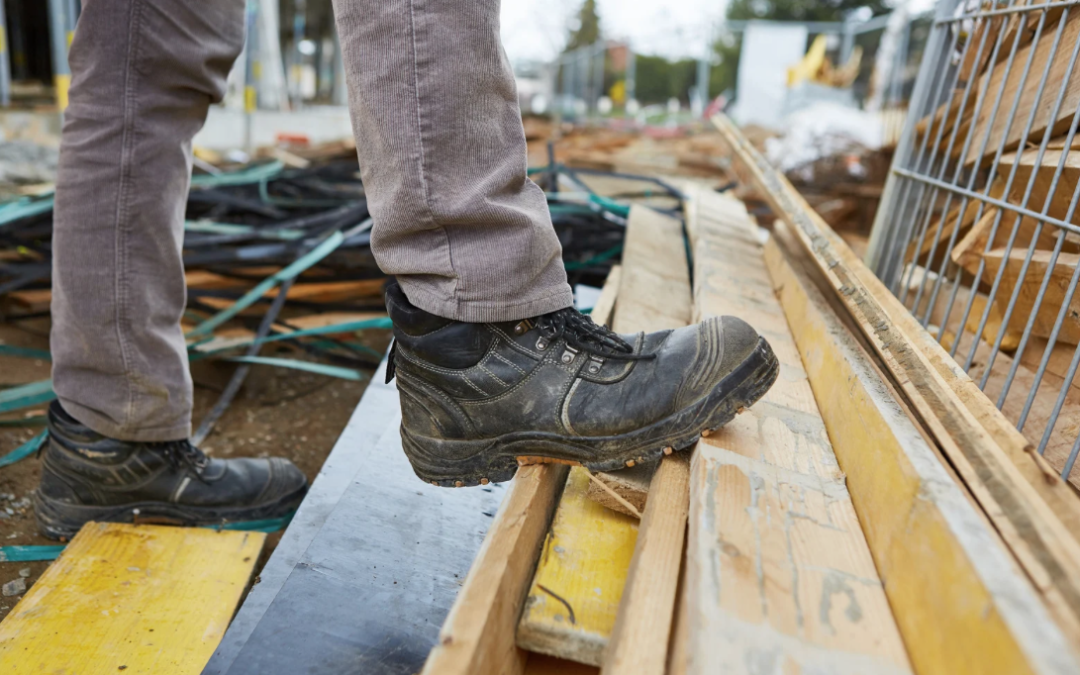
The work becomes less about glossy presentations and more about understanding the day-to-day realities builders face. It is less about the marketing launch and more about walking the soil in a pair of dirty boots, understanding the practical challenges of building homes and supporting the people who build them.
Sales still matter, of course. But for many builders, they are simply the final chapter in a much longer story.