Instructional Design &
Curriculum Development
Helping people turn information into systems.
I turn complex expertise into courses, curriculum, instructor materials, and original frameworks that people can understand and use—designed for organizations, professional associations, and educational institutions.
Corporate Education
Organizations accumulate enormous amounts of knowledge. Salespeople understand customers. Managers understand objectives. Employees understand processes. Leadership understands the product and the direction of the business.
The challenge is that this knowledge does not always exist in one place—or in one shared form.

Different teams may operate according to different assumptions. Customer-selection criteria may be unclear. People may describe the same product differently. Processes that appear obvious to management may not be understood consistently by the people responsible for carrying them out.
I listen to the people inside the organization, identify where knowledge and expectations diverge, and determine what needs to become clearer. From there, I help turn collective expertise into intellectual property the organization can actually use.
Transforming distributed knowledge to shared capability
Depending on the organization, this work may include:
The work sits at the intersection of instructional design, sales enablement, organizational communication, and brand strategy.
The goal is to articulate what the organization knows, decide what its people need to understand, and create systems that make that knowledge easier to apply.
Building a Sales System from Organizational Knowledge
When I work with a sales organization, I begin by understanding the product, the market, and the people responsible for selling it.

I talk with salespeople about what they are seeing from customers, where conversations stall, which objections repeatedly arise, and how they understand the product’s competitive position. I examine how customers are screened and qualified, because not every person who walks through the door represents the same opportunity, need, or likelihood of purchasing.
I also look outside the organization. By visiting competitors, reviewing comparable offerings, and examining the broader market, I can see what customers are offered elsewhere and where genuine differentiation exists.
The next step is convergence.
Internal knowledge, customer experience, management objectives, and competitive research are brought together to identify what is working, what is unclear, and what must become consistent.
- Sales frameworks
- Customer qualification models
- Communication standards
- Objection-handling tools
- Competitive-positioning frameworks
- Training materials
- Proprietary organizational intellectual property
The strongest solutions usually come from within. They emerge by bringing together what people already know, creating space for conversations that may not otherwise occur, and giving that collective knowledge a structure.
My role is to uncover it, strengthen it, and turn it into something the organization can continue using after I leave.
Professional Education
For professional associations and educational institutions, the starting point is different. Instead of uncovering what one organization already knows, we ask what professionals need to understand about their industry—and how education can support better decisions and behaviour.
My work combines practical industry knowledge, academic research, and instructional design to create that connection.
My experience includes developing accredited professional education for the Fraser Valley Real Estate Board, teaching within BCIT’s Schools of Construction and Marketing, and authoring professional and academic publications for Routledge.
Customer Service as Behavioural Change
I designed and developed a PDP-accredited Customer Service course for the Fraser Valley Real Estate Board. The broader goal was to improve homeowners’ experiences while strengthening member-to-member professional conduct.
The curriculum began with foundational behaviours that directly affect the customer experience:

- Communicate appropriately.
- Respect appointments.
- Cancel a showing rather than simply failing to attend.
- Treat another person’s home with care.
These behaviours may appear simple, but collectively they establish expectations around professionalism and respect. The course then moved into more complex areas: assessing customers, responding to different needs, and adapting communication appropriately.
Academic customer-service frameworks gave participants models they could use beyond the individual examples presented in class.
It identified desirable professional behaviour, explained why that behaviour matters, and gave participants frameworks for applying it consistently in their own businesses.
Strength-Based Personal Branding
I also designed and developed a PDP-accredited Personal Branding course for the Fraser Valley Real Estate Board. It began with a different industry problem.
Real estate professionals are frequently told they need to market themselves, but the advice can quickly become prescriptive: use social media, create video, advertise online, or build a particular kind of personal brand. That assumes the same strategy makes sense for everyone.
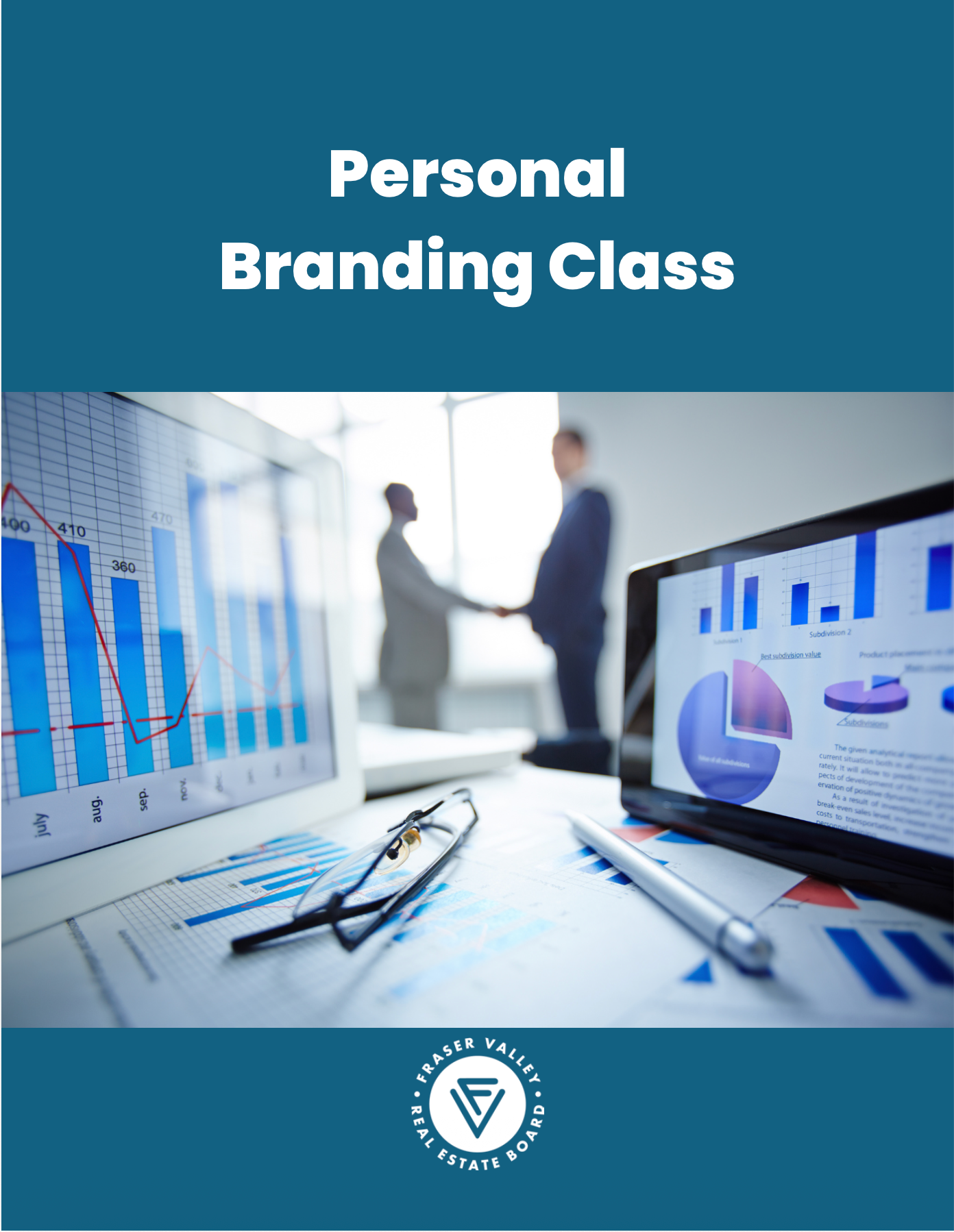
Participants identified the experience, knowledge, interests, and capabilities they already possessed, then considered where those strengths could create meaningful value for a customer.
A healthcare background may create unusual insight into complex housing requirements. Accounting or financial experience may create value for investors. Deep knowledge of a community, property type, or client group may offer another source of competitive advantage.
From there, participants could develop strategies suited to both the clients they wanted to serve and the capabilities they already possessed.
The course was designed to encourage a more advisory approach to business, more deliberate thinking about client fit, and marketing built around genuine professional strengths.
Long-Form Intellectual Property
I also develop long-form intellectual property that brings together research, professional expertise, original frameworks, and instructional thinking into a cohesive body of work.
This requires extensive research, writing, editing, revision, and feedback—often over a much longer period of time.
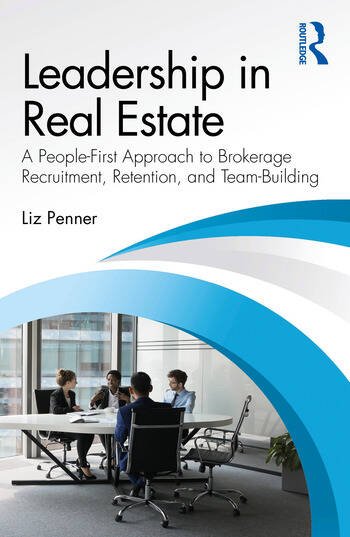
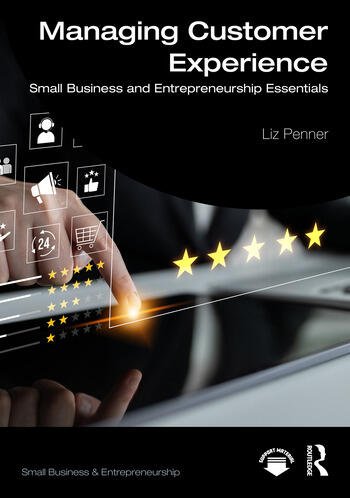
Both books incorporate original and adapted research-backed frameworks designed to make complex ideas easier to understand, teach, and apply.
This is another dimension of intellectual property creation: determining what matters within a large body of information, developing an organizing structure, and creating something through which knowledge can be transferred.
Build the system. Transfer the knowledge. Leave the capability behind.
The best instructional design does not make people dependent on the person who created it. It gives them language, systems, and ways of thinking they can continue applying on their own.
others can understand and use.
Let’s build intellectual property that continues creating value long after the engagement is complete.